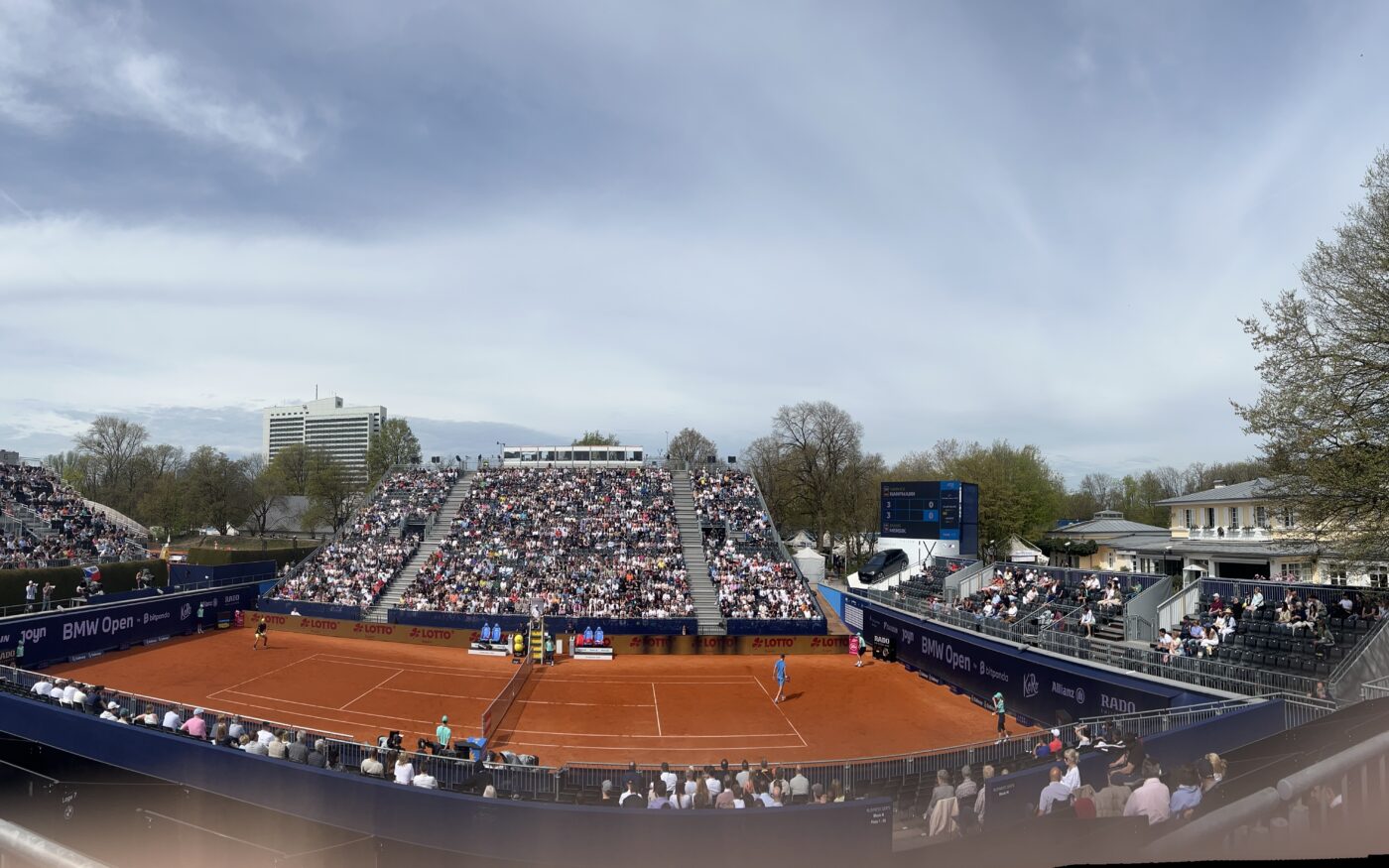
UPDATE: Mensik withdrew from the Rolex Monte Carlo Masters 1000 with a toe injury. We will monitor his recovery as we approach the upcoming 1000 events on clay in Madrid and Rome.
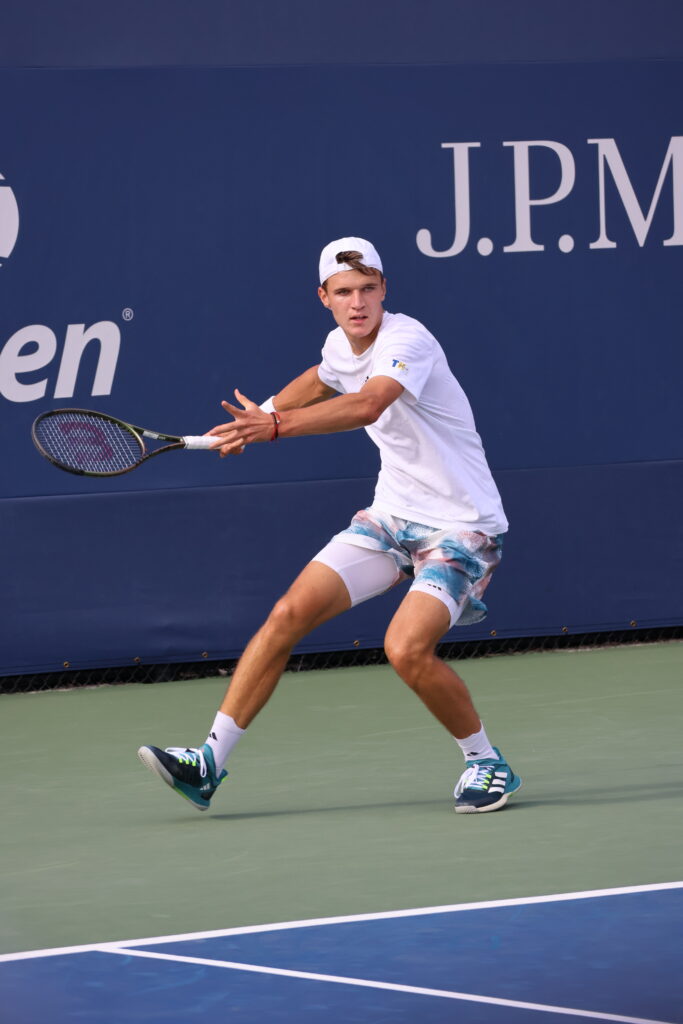
Photograph per Wikipedia Commons.
Jakub Menšík (Czechia, world No. 13) enters Monte Carlo with one of the most significant individual results of the 2026 season. At the ATP 500 event in Doha, he defeated Jannik Sinner (Italy, world No. 2) 7-6(3), 2-6, 6-3 in the quarterfinal, marking the biggest win of his career and his first victory over a top-three opponent.
The structure of that match is what carries forward into this evaluation. Menšík controlled the opening set through first-serve efficiency and composure in the tiebreak, absorbed Sinner’s response in the second, and reestablished control early in the third set with a break in the opening game. He maintained that advantage through consistent serving, finishing the match without allowing momentum to shift back despite Sinner winning more total points overall.
He enters Monte Carlo with a 14–5 record and an ATP title in Auckland, supported by consistent results across ATP 500 and Masters-level events. His ability to hold serve and dictate short-to-mid length rallies has been the foundation of that record, particularly against opponents outside the top tier.
At Indian Wells, he advanced through the early rounds before losing in three sets to Alejandro Davidovich Fokina (Spain, world No. 18), a match where extended rallies gradually shifted control away from him. In Miami, he recovered from a set down to defeat Adam Walton (Australia, world No. 82), reestablishing baseline positioning and closing the match once he regained control of serve.
The transition to clay introduces a more specific evaluation tied directly to his playing style.
Menšík’s success has been built on serve dominance and early ball striking, which allows him to dictate rallies before they extend. Monte Carlo conditions reduce that advantage, requiring more sustained rally tolerance and greater discipline in point construction. Against opponents who can absorb pace and maintain depth, his ability to control points decreases as exchanges lengthen.
Matches like the loss to Davidovich Fokina highlight that when rallies move beyond initial control, Menšík has not consistently maintained the same level of efficiency without an increase in unforced errors. On clay, that margin becomes more pronounced due to slower conditions and higher bounce. Monte Carlo therefore represents a structural adjustment rather than a continuation of his hard-court success.
The win over Sinner established his ceiling against elite opposition. The determining factor in this tournament will be whether he can sustain that level when the conditions require longer rallies, more patience, and a different approach to controlling points.