Jayden Pinto is The Eight30’s lead entertainment columnist. Find him on Letterboxd for more immediate reactions on new releases: @JaydenP0205
If you’re familiar with Nathan Fielder, you are aware of his style of storytelling. If you aren’t familiar with him, all you need to know is that he uses cringy and awkward humor to explore human psychology. A common thread between his shows, Nathan For You and The Rehearsal.
As mentioned by Billy Evans in the film, Nathan was the perfect filmmaker to take on this project.
In case you’re unaware, this documentary follows Theranos founder Elizabeth Holmes in the month leading up to her 11-year prison sentence. Initially, Nathan shows up at their house daily to film them, but after believing that they aren’t being fully honest with him, he moves in with them for the final two weeks before Elizabeth goes to prison.
Throughout the rest of the film, Nathan constantly questions both Elizabeth and Billy about how truthful they are. Constantly reminding himself that they are manipulators.
That’s what this film did so well. It not only documents Elizabeth’s and Billy’s lives; it tells a genuinely compelling story that forces the audience to question what they’re watching. You Can See Everything transcends being a regular run-of-the-mill documentary.
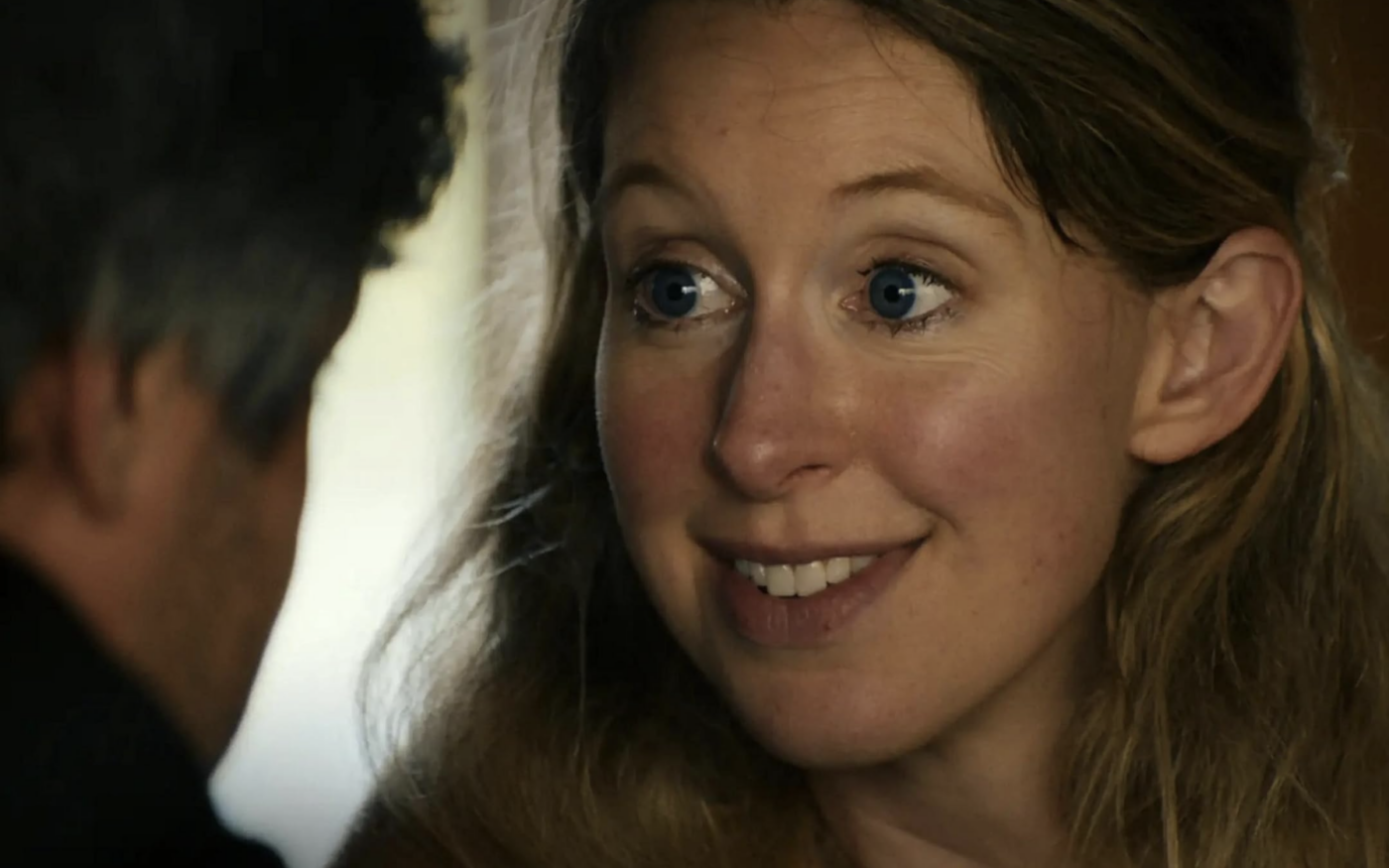
I’m even writing this review days later, because I myself felt like I was lied to. It feels as if Elizabeth is playing a character, and I’m convinced she should borderline get a Best Actress nomination. In the beginning, there’s a conflict with a New York Times article, where they quote her saying, “She’s playing a character I created,” in reference to Amanda Seyfried’s portrayal of her in The Dropout. I’ve been questioning my own thoughts on Elizabeth Holmes since watching.
Have I been manipulated by her?
Coming out of the theater, I felt bad for Holmes. Looking back, I do think I was tricked. This isn’t my fault, but it shows Elizabeth’s ability to weave her own story so well that it convinces the viewer that what she is saying is reality. Then that brings you to Nathan Fielder. His work constantly blurs the line between reality and fiction. Constantly, when watching his shows, I question whether the events that occur are real or not. Nathan brings that back here.
While the first half is clearly real, the second half, after she goes to prison, recreates events involving her and Billy. However, this is all told through Nathan’s perspective. How do we know if we can trust him?
He lived with them; he clearly got close to them. He may have been manipulated by the two, and that affects the viewers. Even writing this review, I’m still questioning what I should believe. What does hold is that Billy Evans is a terrible person. As the film reveals, he controls her Twitter/X and says things that Nathan points out are out of character for Elizabeth.
Even his personal views are terrible, and it does seem as though he’s taking advantage of Elizabeth. However, that, once again, can be all part of the trick here.
I’ve been struggling to put into words how I feel about this movie. Something I’ve constantly said is that this movie does everything right a movie can possibly do. To me, there isn’t a single thing wrong with it. It is the textbook definition of perfect. While I thought The Odyssey would easily be my film of the year, with Dune being the only one that could compete with it. This film proved me wrong. Even with The Odyssey, I can find some flaws that I may not have enjoyed as much. However, You Can See Everything is flawless and should easily be in contention for Best Picture.
Admittedly, I’m not sure what else I can say about You Can See Everything. I hope I’ve convinced whoever is reading this to watch it if you haven’t.
As you can imagine, I’m giving You Can See Everything a 10/10. This stands to easily be one of my favorite films I’ve ever seen. Nathan Fielder and Lance Oppenheim shone here. I can’t wait to see what crazy thing Nathan will do when he goes on stage to inevitably accept an award for this.
FINAL SCORE: 10/10